
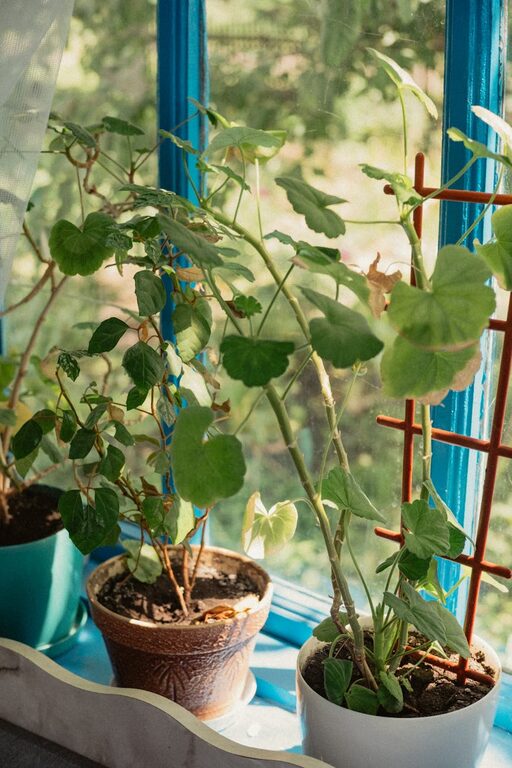
Bringing houseplants into your home is a wonderful way to add life, color, and freshness to your indoor space. Not only do they decorate your rooms, but they can also improve air quality and boost your mood. However, keeping houseplants healthy requires a bit of knowledge and consistent care. Whether you are a beginner or an experienced plant lover, these tips will help you nurture your indoor greenery so it can thrive for years to come.
Understanding Your Houseplants’ Needs
Every plant species has unique needs when it comes to light, water, temperature, and soil. The first step in keeping your plants healthy is to understand those requirements.
Know Your Plant’s Light Requirements
– Bright indirect light: Many popular houseplants like pothos, spider plants, and philodendrons prefer bright, filtered light but can’t handle direct sun.
– Direct sunlight: Succulents, cacti, and some herbs thrive in sunny windows where they get a few hours of direct sunlight.
– Low light: Some plants such as snake plants and ZZ plants tolerate low light but still need some indirect natural light.
Check the care label or research your plant species to place it in the right spot in your home.
Choose the Right Pot and Soil
Plants need pots with good drainage holes to prevent water from pooling around roots. Use a potting mix suitable for your plant type. For example:
– General indoor potting soil works well for most plants.
– Succulents and cacti require sandy, well-draining soil.
– Orchids often need chunky bark-based mixes.
Proper soil and drainage ensure roots get enough air and prevent root rot.
Watering Wisely
One of the most common reasons houseplants suffer is improper watering.
How to Water Correctly
– Check soil moisture: Before watering, stick your finger about an inch deep into the soil. If it feels dry, it’s time to water. If it’s still moist, wait a few more days.
– Water thoroughly: Water until it runs out the drainage holes. This encourages roots to grow deeper.
– Avoid overwatering: Too much water can suffocate roots and cause rot. Remember, most plants prefer to dry out partially between waterings.
– Consider plant type: Some plants like ferns enjoy consistently moist soil, while succulents prefer to dry out completely.
Tips for Maintaining Proper Humidity
Indoor air, especially during winter, can get dry. Many houseplants appreciate humidity levels around 40-60%.
– Use a humidifier nearby.
– Group plants together to create a microenvironment.
– Mist leaves occasionally, but avoid excessive wetting to prevent fungal issues.
Feeding Your Plants
Houseplants can’t get all the nutrients they need from soil alone, especially after several months in the same pot.
Fertilizing Basics
– Use a balanced, water-soluble fertilizer designed for indoor plants.
– Feed most plants every 4-6 weeks during the growing season (spring and summer).
– Reduce or stop fertilizing in fall and winter when growth slows.
– Follow package instructions to avoid overfertilizing, which can burn roots.
Organic options like compost tea or diluted fish emulsion provide gentle feeding alternatives.
Pruning, Cleaning, and Repotting
Pruning Tips
Remove dead or yellowing leaves to encourage healthy new growth and keep plants looking tidy.
– Cut back leggy stems to promote bushier growth.
– Use clean, sharp scissors or pruning shears to avoid spreading disease.
Cleaning Leaves
Dust on leaves can block sunlight and reduce photosynthesis.
– Wipe leaves gently with a damp cloth.
– For plants with lots of small leaves, give them a gentle shower in the sink or bathtub.
When to Repot
Repot plants every 1-2 years, or when roots outgrow their current pot.
Signs it’s time to repot:
– Roots growing out of drainage holes.
– Soil dries out too quickly.
– Plant growth slows or looks stunted.
Choose a pot about 1-2 inches larger in diameter than the current one and refresh the soil.
Watch for Pests and Problems
Even healthy plants can attract pests or develop problems.
Common Houseplant Pests
– Spider mites: Tiny, spider-like, cause webbing and speckled leaves.
– Mealybugs: White, cottony masses on leaves or stems.
– Aphids: Small green or black insects clustered on new growth.
– Scale insects: Hard bumps on stems or leaves.
If you spot pests, gently wipe them off or use insecticidal soap as a safe treatment.
Disease Prevention
– Avoid overwatering to prevent root rot.
– Provide good air circulation around plants.
– Use sterile tools while pruning.
– Isolate new plants for a few weeks before mixing them with others.
Final Thoughts
Keeping houseplants healthy is a rewarding process that improves with observation and experience. By understanding their needs for light, water, nutrients, and care, you’ll help your indoor garden flourish. Remember to check your plants regularly, respond to their changing needs, and enjoy the calming presence they bring to your home.
Happy gardening!