
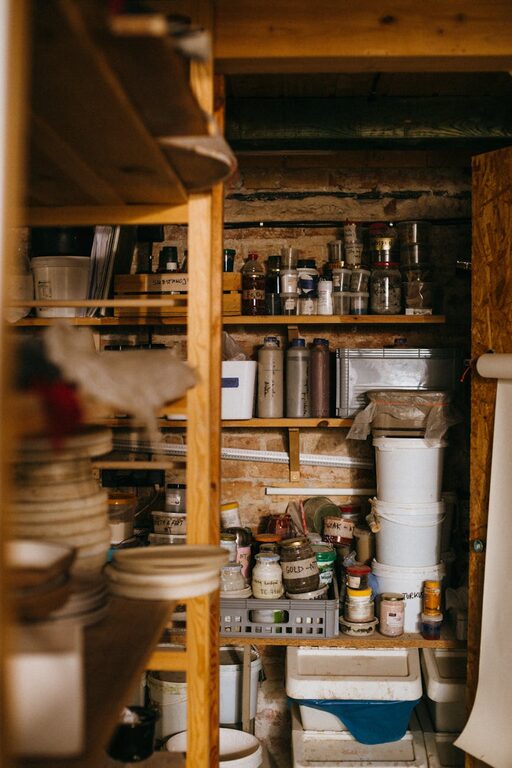
Managing paper clutter is a common challenge in many households. Bills, receipts, mail, school papers, and other documents can quickly pile up, creating stress and disorder. The good news is that reducing paper clutter doesn’t have to be overwhelming. With a few simple strategies, you can bring order to your home and enjoy a tidier, more organized space.
In this post, we’ll explore practical ways to cut down on paper clutter and maintain a clean, clutter-free environment.
Why Managing Paper Clutter Matters
Before diving into actionable tips, it’s helpful to understand why managing paper clutter is beneficial:
– Reduces Stress: Cluttered spaces can cause anxiety and make it harder to focus.
– Saves Time: Organizing papers helps you find important documents quickly.
– Improves Aesthetics: A neat environment feels welcoming and pleasant.
– Promotes Efficiency: Less clutter means less distraction and a smoother daily routine.
Step 1: Create a Paper Sorting System
One of the easiest ways to control paper clutter is to establish a system where incoming paper is sorted right away.
Designate Sorting Bins or Folders
Set up labeled trays or folders such as:
– To Read
– To File
– To Act On
– To Recycle or Shred
This makes processing paper a quick, daily habit instead of a large, dreaded project.
Sort Daily or Weekly
Commit to sorting mail and other incoming papers daily or at least once a week. This prevents pileups and keeps things manageable.
Step 2: Go Digital Whenever Possible
Reducing the amount of physical paper starts with going digital.
Opt for Electronic Bills and Statements
Most companies now offer paperless billing. Signing up lets you view and pay bills online while reducing paper piles.
Use Scanning Apps
Apps for smartphones can scan documents and receipts to keep digital copies. This reduces the need to save physical versions.
Organize Digitally
Create folders on your computer or cloud storage for important scanned files. Label them clearly for easy access.
Step 3: Declutter and Purge Regularly
Even with a good system, clutter can accumulate. Regular decluttering keeps paper manageable.
Schedule Decluttering Sessions
Set aside time monthly or quarterly to go through paper piles. Be strict about what to keep and what to toss.
What to Keep vs. Toss
– Keep: Important documents like tax returns, legal papers, warranties.
– Toss: Expired coupons, old receipts, junk mail.
When in doubt, ask if the paper serves a purpose or has value. If not, recycle it.
Step 4: Use Storage Solutions Wisely
Proper storage helps keep necessary papers organized.
File Cabinets or Boxes
Use a small file cabinet or desktop file box with easily labeled folders.
Binder Systems
Binders with clear plastic sleeves work well for manuals, certificates, or kids’ artwork.
Limit Storage Space
Limiting storage forces you to evaluate what truly needs to be kept.
Step 5: Manage Incoming Paper Smartly
Reducing paper clutter means reducing the paper that comes in.
Sign Up for Junk Mail Opt-Outs
Use services that help reduce advertising mail.
Consolidate Mailing Addresses
Use one address for subscriptions and important mail to better track incoming paperwork.
Establish Household Rules
Encourage family members to follow the paper sorting system and avoid unnecessary printing.
Step 6: Set Daily Habits to Prevent Clutter
Develop daily habits to maintain a clutter-free environment.
– Handle mail immediately: Sort or recycle as soon as you pick it up.
– File papers the same day: Put important documents in their proper folders.
– Review and discard: Look over your inbox or piles regularly.
Bonus Tips for Specific Paper Types
For Kids’ Papers
Select favorite artwork and schoolwork periodically and digitize or create a memory binder for the rest.
For Receipts
Keep only receipts needed for returns or tax purposes, and scan the rest if you want records.
Final Thoughts
Reducing household paper clutter takes a bit of planning but creates a calmer, more efficient home. Start with small steps like sorting paper daily, going digital, and organizing important documents. Over time, these habits will help you maintain a clutter-free environment with minimal effort.
By consistently managing your paper, you’ll save time, reduce stress, and enjoy a more pleasant living space. Give these simple strategies a try and see how much more organized your home can become!