
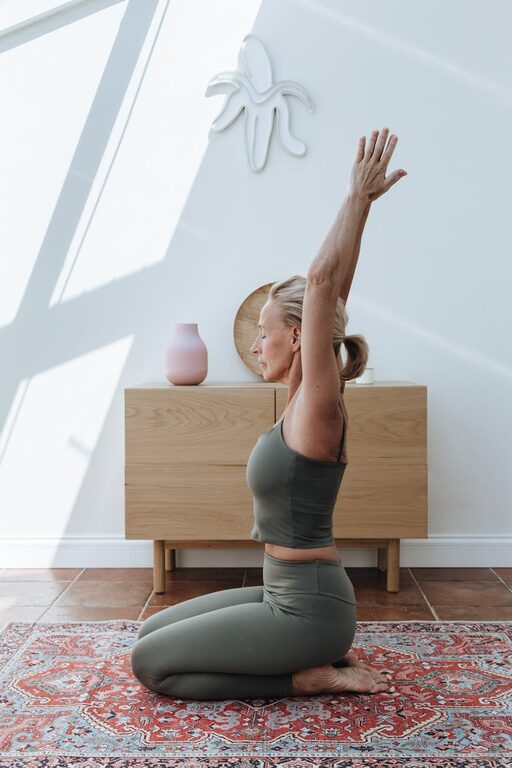
Stretching is a simple yet powerful way to enhance your overall health and wellness. It helps increase flexibility, improve posture, reduce muscle tension, and promote relaxation. The best part? You can easily do it at home without any special equipment. Whether you’re new to stretching or looking to build a consistent routine, this beginner’s guide will walk you through everything you need to start stretching safely and effectively.
Why Stretching Matters
Stretching offers numerous benefits for the body and mind. Here are a few reasons why incorporating stretching into your daily routine is a great idea:
– Improves flexibility and range of motion: Regular stretching helps your muscles and joints move more freely, making everyday activities easier.
– Reduces muscle tension and soreness: Stretching can relieve tightness after long periods of sitting or following exercise.
– Enhances posture: Stretching tight muscles can help correct imbalances that contribute to poor posture.
– Promotes relaxation: Stretching stimulates blood flow and helps to release built-up stress.
– Lowers risk of injury: Flexible muscles are less prone to strains and sprains.
Preparing for Your Stretching Routine
Before diving into stretches, it’s important to prepare your body:
Warm Up First
Stretching cold muscles can increase injury risk. Spend 3-5 minutes warming up with light activity like marching in place, walking around, or gentle arm swings. This warms the blood and makes your muscles more pliable.
Choose a Comfortable Space
Find a quiet, spacious area free from distractions. Use a yoga mat or soft surface if possible for comfort.
Dress for Comfort
Wear clothes that allow movement and won’t restrict your stretches.
Basic Stretching Guidelines
Following simple rules will help ensure you stretch safely and effectively:
– Hold each stretch for 15-30 seconds without bouncing.
– Breathe deeply and evenly while holding stretches.
– Stretch both sides evenly to maintain balance.
– Avoid pain. A stretch should feel gentle, not painful. Ease off if you feel sharp or intense discomfort.
– Stretch regularly. Aim for at least 3-4 times a week, or daily if possible.
Beginner-Friendly Stretches to Try at Home
Below are easy, effective stretches to target major muscle groups. Perform them in a slow, controlled manner.
Neck Stretch
- Sit or stand tall.
- Gently tilt your head to one side, bringing your ear toward your shoulder.
- Hold for 20 seconds, feeling a gentle stretch along the opposite side of your neck and shoulder.
- Repeat on the other side.
- Stand or sit with your back straight.
- Slowly roll your shoulders forward in a circular motion 10 times.
- Reverse direction and roll shoulders backward 10 times.
- Stand tall and clasp your hands behind your back.
- Straighten your arms and gently lift your hands upward while opening your chest.
- Hold the stretch for 20-30 seconds.
- Sit on the floor with legs extended straight in front of you.
- Keep your back straight and slowly reach forward toward your toes.
- Stop when you feel a gentle stretch in the backs of your legs.
- Hold for 20-30 seconds.
- Begin on your hands and knees in a tabletop position.
- Inhale: Arch your back, lifting your head and tailbone (Cow Pose).
- Exhale: Round your back, tucking your chin and pelvis (Cat Pose).
- Repeat for 8-10 slow cycles.
- Stand near a wall or chair for balance.
- Bend one knee and bring your heel toward your buttocks.
- Hold your ankle with your hand, keeping knees close together.
- Hold for 20 seconds and switch legs.
- Stand facing a wall with one foot forward and the other back.
- Keep the back leg straight and heel on the floor.
- Lean forward gently, bending the front knee until you feel a stretch in your back calf.
- Hold for 20-30 seconds, then switch sides.
Shoulder Rolls
Chest Stretch
Seated Forward Bend (Hamstring Stretch)
Cat-Cow Stretch (Spine Mobility)
Quadriceps Stretch
Calf Stretch
Tips to Stay Motivated
Starting a new habit isn’t always easy. Here are some tips to keep your stretching habit going:
– Set a regular time each day for stretching, like morning or before bed.
– Use reminders on your phone or calendar.
– Create a pleasant environment with calming music or natural light.
– Track your progress and celebrate improvements in flexibility.
– Combine stretching with other activities such as yoga, walking, or light exercise.
When to Be Cautious
If you have any existing injuries, chronic pain, or medical conditions, consult a healthcare professional before starting a stretching routine. Stop any stretch that causes sharp pain or worsens symptoms.
Final Thoughts
Stretching is an accessible, low-cost way to improve your physical and mental well-being. By dedicating just a few minutes each day, you can enjoy increased flexibility, reduced tension, and better posture. Remember to warm up first, stretch mindfully, and progress at your own pace. Get started today and feel the difference stretching can make in your daily life!